
For thousands of years, hemp has been used across the world as a durable, versatile, and sustainable material. Today, as consumers and industries shift toward eco-friendly solutions, hemp fiber is making a powerful comeback. But what makes this natural fiber so beneficial?
Discover why hemp fiber is making a major comeback in modern industries. Learn about its strength, sustainability, and versatility across textiles, construction, and eco-friendly manufacturing. Let’s explore the advantages that set hemp apart.
1. Exceptional Strength & Durability
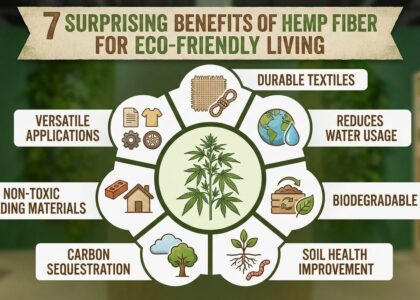
Hemp is one of the strongest natural fibers available. Its long, tough fibers resist stretching, tearing, and degrading over time, making it ideal for clothing, ropes, textiles, and industrial uses.
2. Eco-Friendly & Sustainable
Hemp grows quickly—maturing in just 3–4 months—and requires:
- Less water
- No pesticides
- Minimal land
Its deep roots also enrich soil and prevent erosion, making hemp an excellent rotational crop.
3. Breathable & Comfortable Textiles
Hemp fabric is naturally breathable, moisture-wicking, and temperature-regulating. It keeps you cool in the summer and warm in the winter, providing year-round comfort.
4. Naturally Antibacterial & Hypoallergenic
Hemp fibers resist bacteria growth and mold, making them perfect for sensitive skin, baby clothing, and bedding.
5. A Versatile Material for Countless Industries
Hemp fiber is used in:
- Clothing
- Biodegradable plastics
- Paper
- Construction materials like hempcrete
- Car interiors
- Home goods
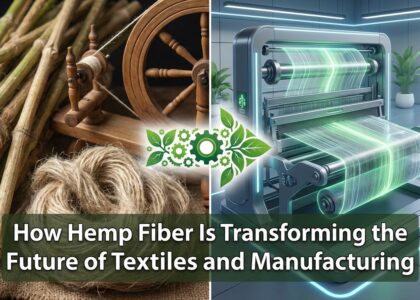
As sustainability becomes a priority, hemp fiber’s versatility makes it a top choice for the future.