
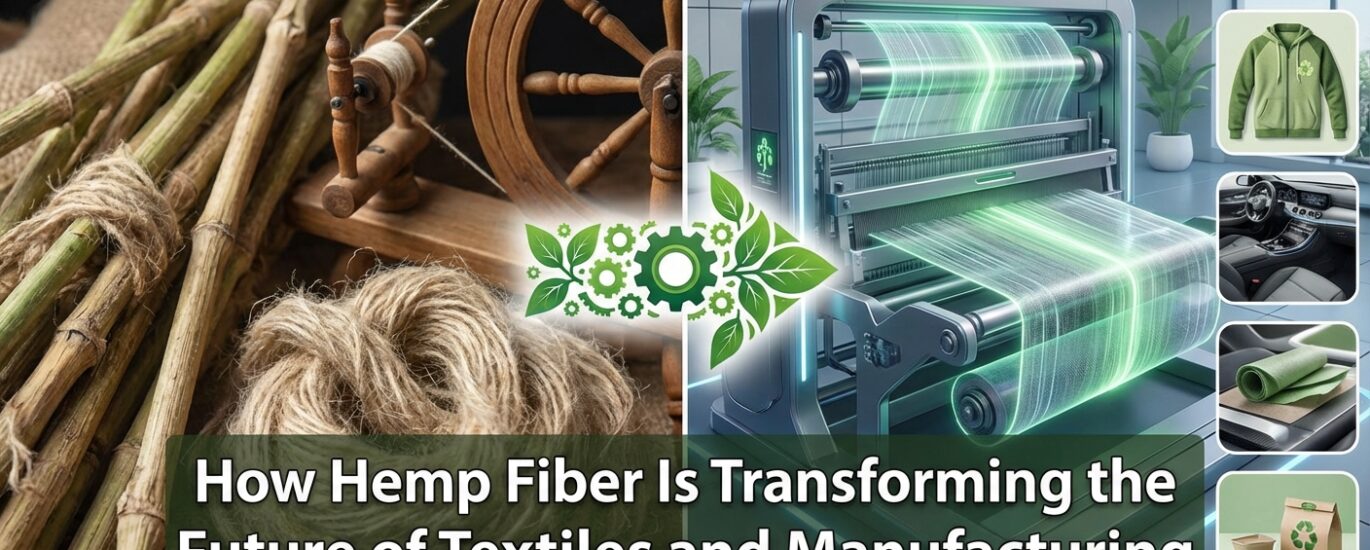
As industries push toward greener practices, hemp fiber is emerging as a leader in sustainable innovation. Its unique properties make it incredibly useful across fashion, construction, automotive, and technology sectors. Learn how hemp fiber is revolutionizing modern textiles and manufacturing. From fashion to construction, discover why hemp is rapidly becoming the backbone of sustainable innovation.
A Renewable Resource with Low Environmental Impact
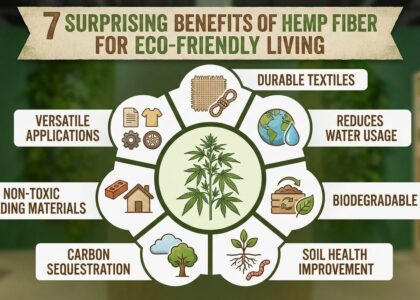
Compared to cotton, hemp uses:
- 50% less water
- No synthetic pesticides
- Less land to produce the same amount of usable fiber
This makes hemp a highly efficient resource for large-scale manufacturing.
Hemp in Modern Textiles
Designers love hemp because it blends well with other fibers like organic cotton or bamboo. The result? Fabrics that are:
- Softer
- Stronger
- More breathable
- More eco-friendly
Hemp textiles are already being used in:
- Sustainable fashion
- Home decor
- Bags and accessories
- Performance outdoor wear
Industrial Applications: Beyond Fabric
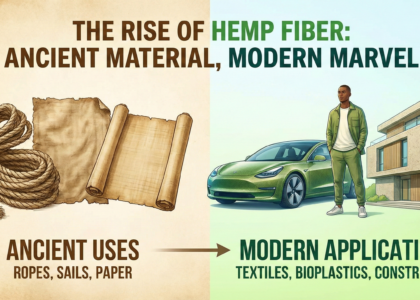
Hemp fiber is reducing environmental impact in big industries by replacing less sustainable materials. Today, it is commonly used in:
- Hempcrete for green building
- Biodegradable composites for vehicles
- Mold-resistant insulation
- Paper and packaging
- Non-toxic plastic alternatives
A Step Toward a Circular Economy
Because hemp is recyclable and biodegradable, it supports a future where products are designed to return safely to nature. Businesses adopting hemp fiber are contributing to a cleaner, circular economy and reducing landfill waste.
Hemp fiber isn’t just benefiting the environment—it’s shaping the next generation of sustainable products.